To reduce COD returns, fix the order chat before you blame the buyer. One COD software vendor says most failed deliveries in Pakistan and Bangladesh come from operations, not fraud: bad addresses and buyers who are absent or short of change. Confirm the address and the final total in the chat before anything ships.
Why COD orders fail after the chat ends
Cash on delivery lets a hesitant buyer say yes without paying first. That is why it helps small Facebook and Instagram sellers win customers, and also why a yes in the chat is a soft promise. A letter in the Observer in August 2026 described buyers who place an order, then refuse delivery or stop answering when the rider calls.
It is tempting to read every failed parcel as fraud. The vendor, EasySell, argues otherwise. It says operational failures cause about 70 percent of COD delivery failures in Pakistan and Bangladesh, and that fake orders are only 20 to 30 percent of the problem. That is one company's estimate, not an audit, but it matches what many sellers see: an address with no landmark, a rider who cannot find the house, a buyer with no change at the door.
Those are problems you can settle in the chat, while the buyer is still looking at their phone.
What a failed COD order costs
The Observer letter says sellers may have to pay delivery and return charges, and also lose the time spent packing the parcel and talking to the buyer. For home-based sellers with little capital, repeated cancellations cut profit quickly. EasySell makes the same point in plain terms: a returned parcel is paid for twice, once on the way out and once on the way back.
Stock is the quieter cost. An item sitting in a parcel that is coming back cannot be sold to the next customer who messages you.
How to reduce COD returns before you dispatch
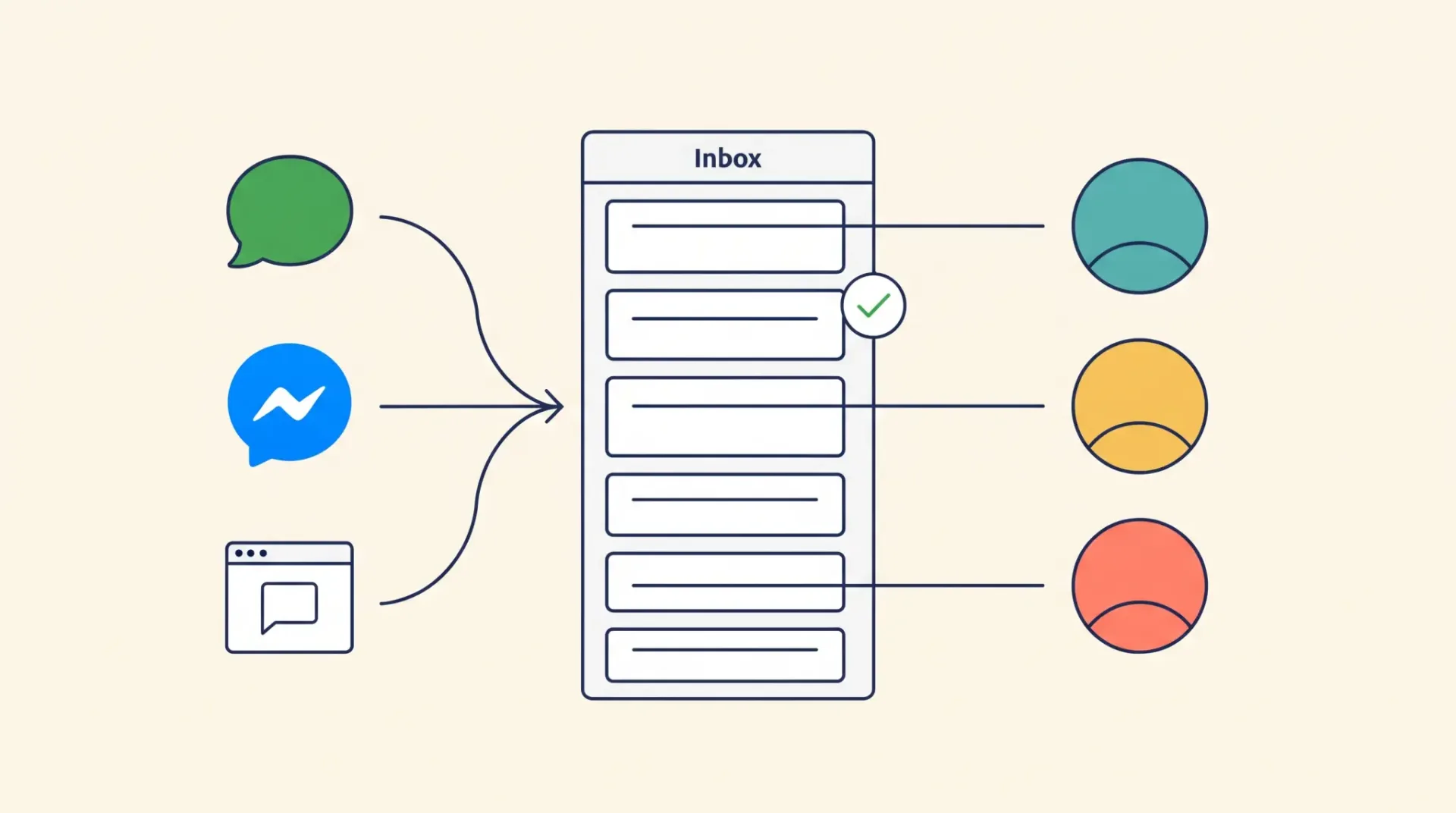
The routine below adds a few messages to each order. Run it on every order, so it becomes a habit and not a judgment call. It works best when each order has one fixed place to live from the moment the buyer says yes, which is covered in how to stop losing orders in WhatsApp and Messenger.
- Get the full address in one go. Ask for the area, the street or house details, a landmark, and a phone number the rider can reach. Repeat it back and ask the buyer to correct anything that is wrong.
- State the total with delivery. Unclear delivery costs are a major source of complaints, according to e-Commerce Association of Bangladesh reports cited by Dhaka Tribune. Put the product price, the delivery charge for the buyer's area, and the final amount in one message.
- Say how they will pay. For COD, ask the buyer to keep the exact amount ready. If they prefer bKash or Nagad, agree on it now instead of at the door.
- Ask for a clear yes. A short message works: "Order: [item, size, quantity]. Total with delivery: [amount] tk. Address: [address]. Reply YES to confirm." Dispatch only after the reply. A DHL guide for Pakistani sellers describes the same idea, a confirmation message the buyer answers to confirm or cancel.
- Call when the order is large or the buyer is hesitant. One store owner quoted by Future Startup usually calls the customer after the order and before dispatch, and says this cut fake orders and orders from buyers who were not sure.
- Think about a small advance. EasySell suggests a small deposit to filter out impulse buyers, and some sellers ask for the delivery charge up front. Some buyers will drop out. That is fine, because an impulse buyer who drops out costs you one message instead of a round trip.
Keep a record of buyers who keep failing
The Observer letter advises sellers to keep records of customers who repeatedly place false orders. DHL's Pakistan guide says most fake orders come from a small, predictable group of repeat offenders rather than random customers.
A notebook or a spreadsheet is enough to start. Write down the phone number, the date, and what happened: refused at the door, unreachable, or wrong address. Before you dispatch to a number that has failed before, ask for an advance or decline the order. Keep one exception in mind. If the parcel failed because of your own mistake, such as a wrong item, do not count it against the buyer.
For a fuller screening routine, including a phone number history check, see fake and refused COD orders: 5 checks before you ship. If you want each buyer saved as they order, repeat customers from chat orders: 6 steps to start covers the habit.
How to tell it's working
Count your parcels each week: how many went out, how many came back, and why. The reasons tell you which step to tighten. If most returns are "could not find the address", put more effort into step one. If they are "refused at the door", look harder at steps three to six.
Two smaller signals are worth watching. Riders should reach the buyer on the first call, and your inbox should have fewer "where is my parcel" messages from buyers who forgot they ordered. OrderPilot saves each order as a draft order you confirm yourself, keeps the address and customer history from the chat, records payments against the order, and can run a fraud check on a phone number before you ship.
When this doesn't apply
These steps cannot fix a product problem. If parcels come back because the item was wrong, damaged, or not as shown, a confirmation message will not help. Fix your packing and your listings first.
The routine also adds friction. For very low-value orders you may prefer a shorter version, just the address and the total. And the figures in this post come from a software vendor, a newspaper letter, and a few sellers, not from independent data. Track your own returns for a few weeks before you decide which steps are worth keeping.